Why Is My Car AC Not Cooling Properly in Sharjah?
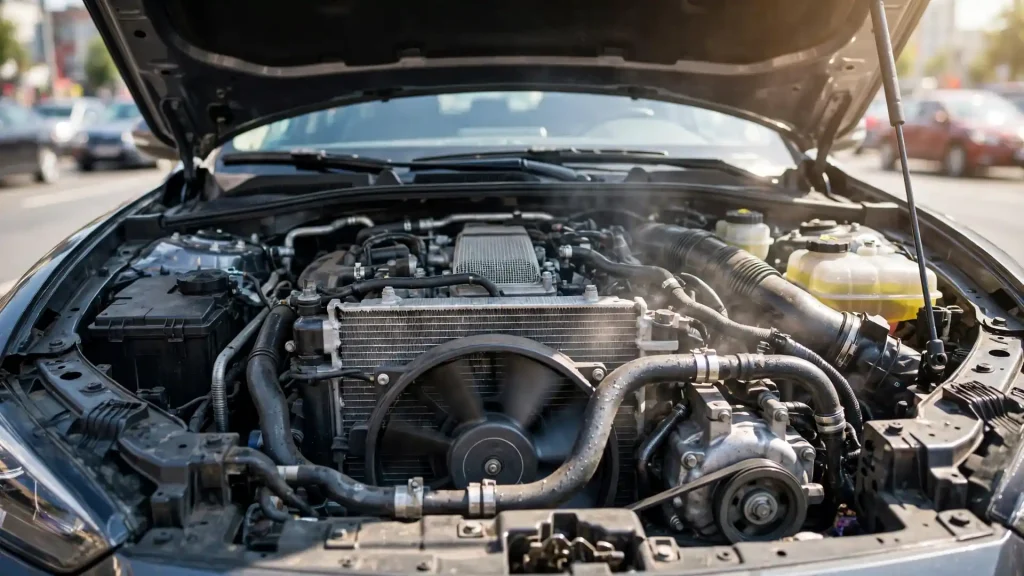
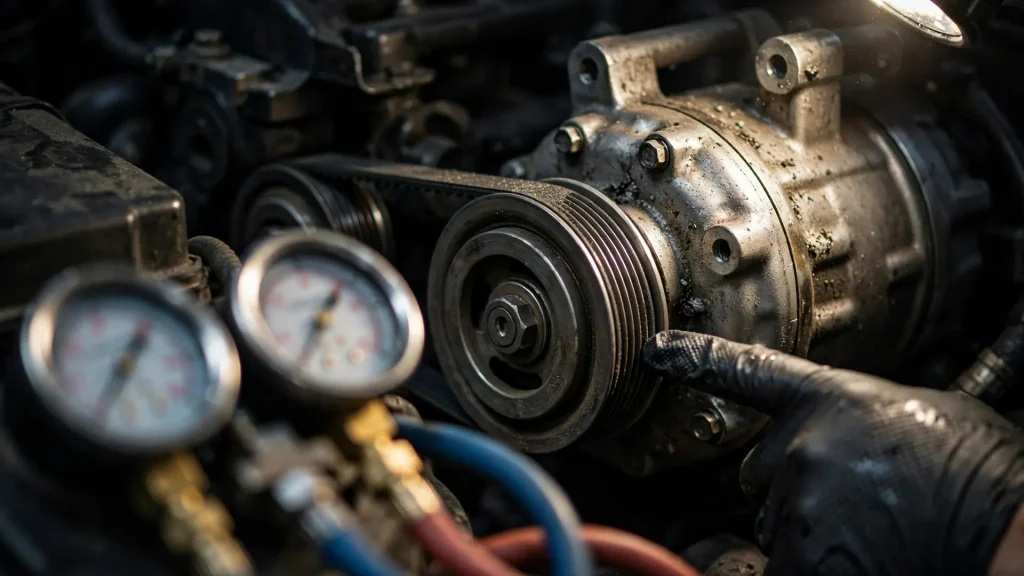
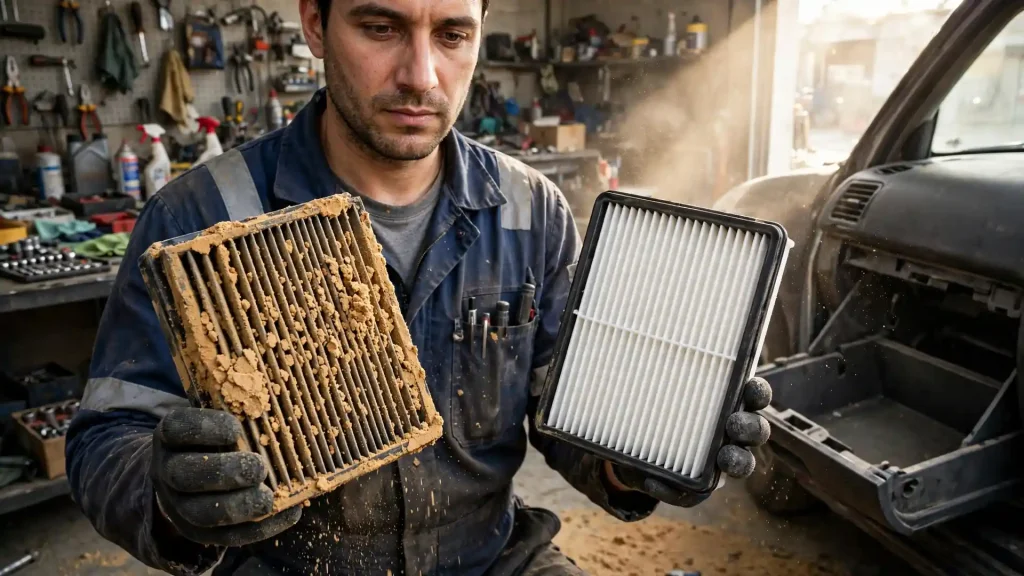
A weak car AC can make even a short drive uncomfortable, especially during Sharjah’s hot summer months. If the vents are blowing air but the cabin is not getting cold, the AC system may have a problem that needs attention. Your car AC may not be cooling properly because of low refrigerant, a dirty cabin air filter, a blocked condenser, a weak compressor, or a faulty cooling fan. Electrical problems, a damaged AC clutch, a bad pressure sensor, or a dirty evaporator can also reduce cooling. In Sharjah, high heat, dust, and heavy traffic can make these problems more noticeable because the AC has to work harder. Why Does Car AC Cooling Get Worse in Sharjah? Car AC systems face heavy use in Sharjah because of high outdoor temperatures. A parked car can become extremely hot inside, forcing the AC to remove a large amount of heat before the cabin feels comfortable. Dust and sand can collect on the condenser and other parts, while traffic can reduce natural airflow around the front of the car. If a small fault already exists, these conditions can make it easier to notice. Regular inspection can help keep the system working well in demanding weather. Common Reasons Your Car AC Is Not Cooling Properly Several parts work together to produce cold air. A problem with one component can affect the performance of the complete system. The most common causes are explained below. 1. Low Refrigerant Level Low refrigerant is one of the most common causes of weak AC cooling. Refrigerant carries heat from inside the cabin to the outside of the car. When the level drops, the system may not be able to absorb enough heat from the air. You may notice that the AC takes longer to cool the cabin or only produces slightly cool air. Low refrigerant usually means there is a leak somewhere in the system. Simply adding more refrigerant may give temporary cooling, but finding and repairing the leak is the better solution. 2. Refrigerant Leak A refrigerant leak can develop in an AC hose, pipe, seal, condenser, evaporator, or connection. Small leaks can be difficult to see because refrigerant normally escapes as a gas. Some leaks may leave an oily mark around the damaged area because AC oil can escape with the refrigerant. As the refrigerant level falls, cooling performance becomes weaker. If the system needs repeated recharging, there is a good chance that a leak needs to be found. A proper leak test can help locate the source before the problem causes further AC damage. 3. Dirty or Blocked Cabin Air Filter The cabin air filter cleans the air before it enters the passenger area. Over time, it can become packed with dust, sand, pollen, and other particles. A heavily blocked filter restricts airflow, so less cooled air reaches the cabin. You may feel that the AC is running, but the air coming from the vents is weak. This can be especially common in dusty areas. Replacing the cabin filter is a simple maintenance task that can improve airflow and help the AC cool the cabin more effectively. 4. Dirty Condenser The condenser is located near the front of the car and releases heat from the refrigerant. Because of its position, it can collect dust, sand, leaves, insects, and road dirt. When the condenser fins become blocked, airflow and heat transfer are reduced. The refrigerant may remain too hot, which can raise system pressure and reduce cooling performance. A dirty condenser can be a bigger concern in Sharjah because dusty roads and high temperatures increase the workload on the AC system. Regular condenser cleaning can help maintain proper cooling. 5. Weak or Failing AC Compressor The compressor is often called the heart of the AC system because it circulates refrigerant through the cooling circuit. If the compressor becomes worn or damaged, it may not create the pressure needed for normal cooling. You may hear unusual noises when the AC is switched on, or the air may become less cold over time. A worn compressor can also cycle on and off more often than normal. If compressor damage is suspected, pressure testing and a mechanical inspection can help confirm whether the compressor is the real cause. 6. Faulty Compressor Clutch Many car AC compressors use an electromagnetic clutch to connect the compressor to the engine when cooling is needed. If the clutch is worn, the electrical coil is weak, or the clutch gap is incorrect, the compressor may not engage properly. You may hear a click when the AC is switched on, but the compressor may fail to keep running. This can result in warm or inconsistent air from the vents. Testing the clutch, voltage supply, wiring, and coil can help identify the fault without replacing the complete compressor unnecessarily. 7. Cooling Fan Problem The condenser needs airflow to release heat from the refrigerant. When the car is moving, outside air passes through the condenser, but the cooling fan becomes very important when the vehicle is stopped or moving slowly. If the fan motor, relay, fuse, or wiring has a problem, condenser pressure can rise. The AC may then become less effective in traffic while working better at higher speeds. If your AC is cold on the highway but warm at traffic lights, the cooling fan should be checked. 8. Dirty Evaporator The evaporator sits inside the HVAC system and absorbs heat from the cabin air. Dust and dirt can build up around the evaporator when the cabin filter is not changed regularly. Heavy dirt can restrict airflow and reduce heat transfer. Moisture can also collect around the evaporator, which may contribute to unpleasant smells when combined with dirt and bacteria. If airflow is weak and the AC smells bad, the evaporator and related parts may need inspection and cleaning. Keeping the air filter clean can help reduce this type of build-up. 9. Faulty Temperature Sensor Modern cars use sensors to monitor temperature inside the AC system and